Naff Symposium

51st Annual Naff Symposium

Schedule

8 a.m. Registration and Continental breakfast
8:45 a.m.

Introductions and welcome

Dr. Ilhem Messaoudi, Acting Vice President for Research

Dr. Prakash Shrestha, Department of Chemistry

9 a.m.

Dr. Taekjip Ha Boston Children's Hospital, Harvard Medical School

From single molecules to cellular decision making: connecting the scales using mechanical force

Abstract: In this lecture, I will describe our effort to understand how the mechanical responses of single molecules contribute to important cell fate decision, focusing on our work on integrins, mechanosensitive membrane proteins that cells use to interrogate the extracellular environments.

10 a.m. - 10:15 a.m. Break
10:15 a.m.

Dr. Laura Finzi Clemson University

Using single-molecule approaches to dissect fundamental cellular processes

Abstract: Single molecule techniques are extremely powerful in the investigation of the molecular mechanisms driving emergent behavior in living systems.

My lab has pioneered their use and development and combines these approaches to understand, primarily, but not only, transcription regulation. In particular, we study how the physical properties of DNA and chromatin, such as their mechanics and topology, the nucleoprotein complexes that shape the architecture of the genome, the remodeling of DNA by the motor enzymes that process it and phase separation contribute to transmitting information necessary for life.

11:30am - 1:30pm

Lunch and poster competition

Group A - 11:30 a.m. - 12:30 p.m.

Group B - 12:30 p.m. - 1:30 p.m.

1:45 p.m.

Dr. Shixin Liu The Rockefeller University

Single-molecule visualization of genetic and epigenetic inheritance

Abstract: Genome replication and gene expression are carried out by molecular machines that measure in nanometers and generate forces in piconewtons. My laboratory mainly employs single-molecule fluorescence detection and force manipulation techniques to study these biochemical and mechanical processes that govern genetic and epigenetic inheritance. This approach enables us to follow transient, stochastic and heterogeneous molecular events that are inaccessible by ensemble-averaging methods. By reconstituting DNA/chromatin-based macromolecular complexes and tracking their dynamic behavior in real time, we have gained fresh insights into their physicochemical properties and regulatory mechanisms.

2:45 p.m. - 3 p.m. Break
3 p.m.

Dr. Jens H. Gundlach University of Washington

Ultra-precise tracking of genomic enzymes with nanopore tweezers

Abstract: My group has been at the nexus of developing nanopore sequencing of DNA and establishing nanopores as a new tool for single-molecule biophysics. Much of our work is based on the engineered protein pore MspA. Here, I will show the stunning capabilities of using protein nanopores to observe enzyme mechanics in real-time as these enzymes move along DNA or RNA. We easily achieve ten times better position and time resolution than optical tweezers, while simultaneously measuring the exact nucleotide sequence within the enzyme. I will show hereto unseen detail of the motion of helicases, DNA and RNA polymerases, reverse transcriptases, etc. Besides establishing decisive kinetic enzyme models, our method reveals many surprisingly properties of these enzymes. 

4 p.m. Presentation of poster awards
4:30 p.m. Close of the 51st Naff Symposium

Poster Competition

Group A: Even numbered posters will present from 11:30 a.m. - 12:30 p.m.

Group B: Odd numbered posters will present from 12:30 p.m. - 1:30 p.m. 

Speakers

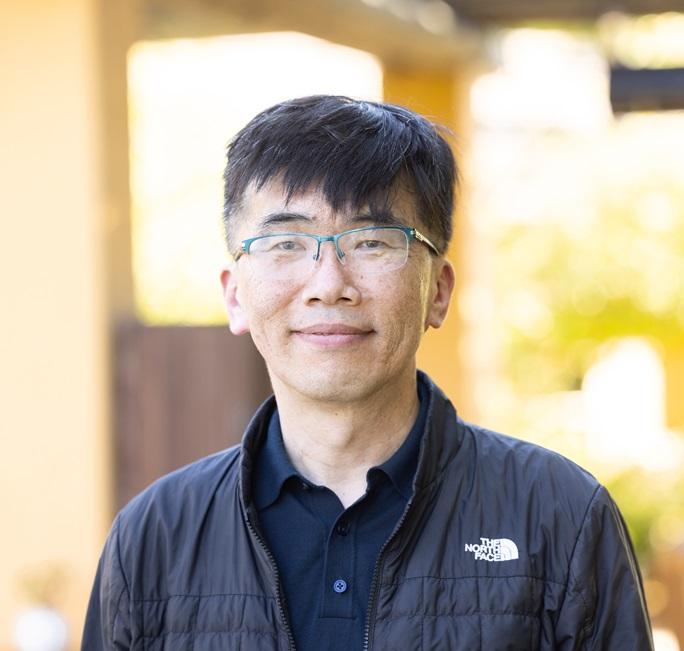
Photo of man with black hair and glasses wearing a black North Face jacket outside. Dr. Taekjip Ha 
Howard Hughes Medical Institute & Program in Cellular and Molecular Medicine, Boston Children's Hospital 
Department of Biological Chemistry and Molecular Pharmacology, Harvard Medical School

Biography: Dr. Taekjip Ha is George D. Yancopoulos Professor of Pediatrics in honor of Frederick W. Alt at Harvard Medical School and director and senior investigator of the Program in Cellular and Molecular Medicine at Boston Children’s Hospital. He has been an investigator with the Howard Hughes Medical Institute since 2005. He received a bachelor’s in physics from Seoul National University in 1990 and a physics Ph.D. from University of California at Berkeley in 1996. After postdoctoral training at Stanford, he was a physics professor at University of Illinois at Urbana-Champaign (2000-2015), where he co-directed an NSF Physics Frontier Center and Bloomberg Distinguished Professor at Johns Hopkins University (2015-2023). He is a member of the National Academy of Science and the National Academy of Medicine and is a fellow of the American Academy of Arts and Sciences. He received the Ho-Am Prize in Science (2011),the  Kazuhito Kinosita Award in single molecule biophysics (2018) and the Barany Award for young investigators (2007). He was named Searle Scholar (2001) and Sloan Fellow (2003). He has served on editorial boards for Science (2011-present), Cell (2009-2020) and eLife (2014-2020). He co-chaired the National Academies committee on Toward Sequencing and Mapping of RNA Modifications (2022-2024). He served as president of the Biophysical Society (2023-2024).

Ha’s current research theme is “genome maintenance at higher resolution.” “Higher resolution” here refers to advances his team pioneered in multiple axes, including time resolution, spatial resolution, single molecule and single cell resolution and single base pair resolution. His biological focus is genome maintenance, i.e. how the genome is accurately duplicated and repaired for preserving genomic integrity. He advanced CRISPR-based tools in terms of time and space resolution as well as multiplexing and obtained novel insights about repair of CRISPR-generated DNA damage. Because genome maintenance occurs in the context of chromatin and 3D genome, and in the presence of ongoing nuclear processes such as transcription and epigenetic regulation, his team has also been studying how DNA sequences and modifications as well as histone modifications can act directly through changes in biophysical properties of DNA and chromatin such as DNA flexibility and nucleosome stability and condensability. Finally, he used biophysical properties of DNA to develop single molecule force sensors and determined the single molecule force loading rate in cells.

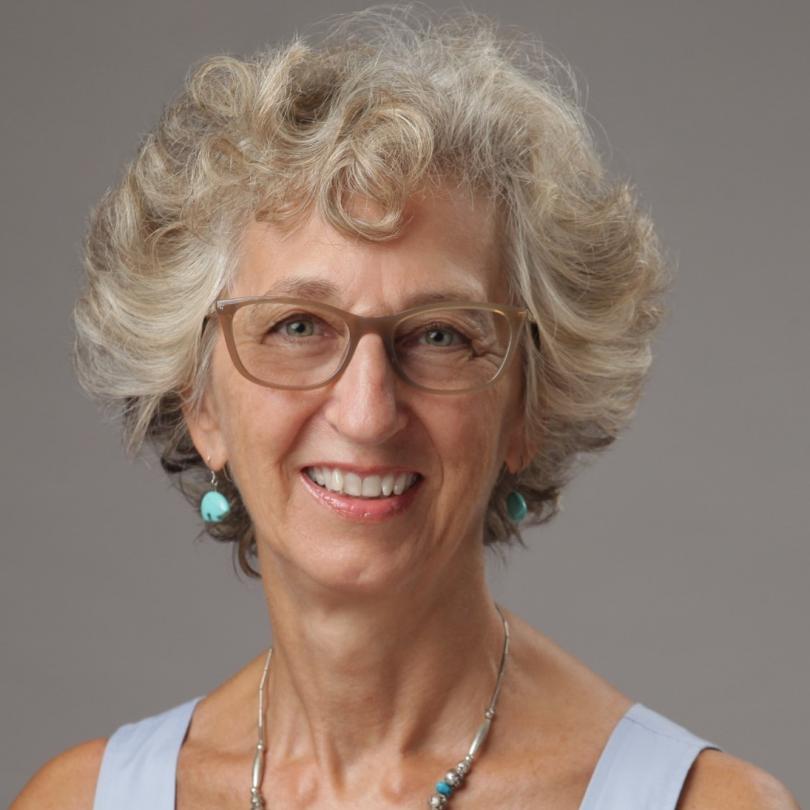
Photo of woman with light blonde hair and glasses wearing a light blue tank top in front of a grey background.Dr. Laura Finzi 
Dr. Waenard L. Miller Jr. ’69 and Sheila M. Miller Endowed Chair in Medical Biophysics 
Department of Physics & Astronomy 
Department of Bioengineering 
Center of Human Genetics 
Clemson University

Biography: Laura Finzi is a fellow of the American Physical Society and the Dr. Waenard L. Miller Jr. ’69 and Sheila M. Miller Endowed Chair in Medical Biophysics in the Department of Physics and Astronomy at Clemson University. She is a member of the editorial board of Biophysical Reviews. She received a Laurea in industrial chemistry from the University of Bologna, Italy, and a Ph.D. in chemistry from the University of New Mexico working with Carlos Bustamante. 

She continued her collaboration with Bustamante as a postdoctoral fellow at the Institute of Molecular Biology in Eugene, Oregon, before joining the group of Dr. Jeff Gelles at Brandeis University. She held academic positions at the University of Milano, Italy, and Emory University. Her career path is featured in The Living Histories Series. She is recognized internationally for her contributions to the understanding of DNA mechanics, topology and physical interactions relevant to transcription regulation.

Complete List of Published Work in MyBibliography: http://www.ncbi.nlm.nih.gov/myncbi/browse/collection/40647244/?sort=dat…

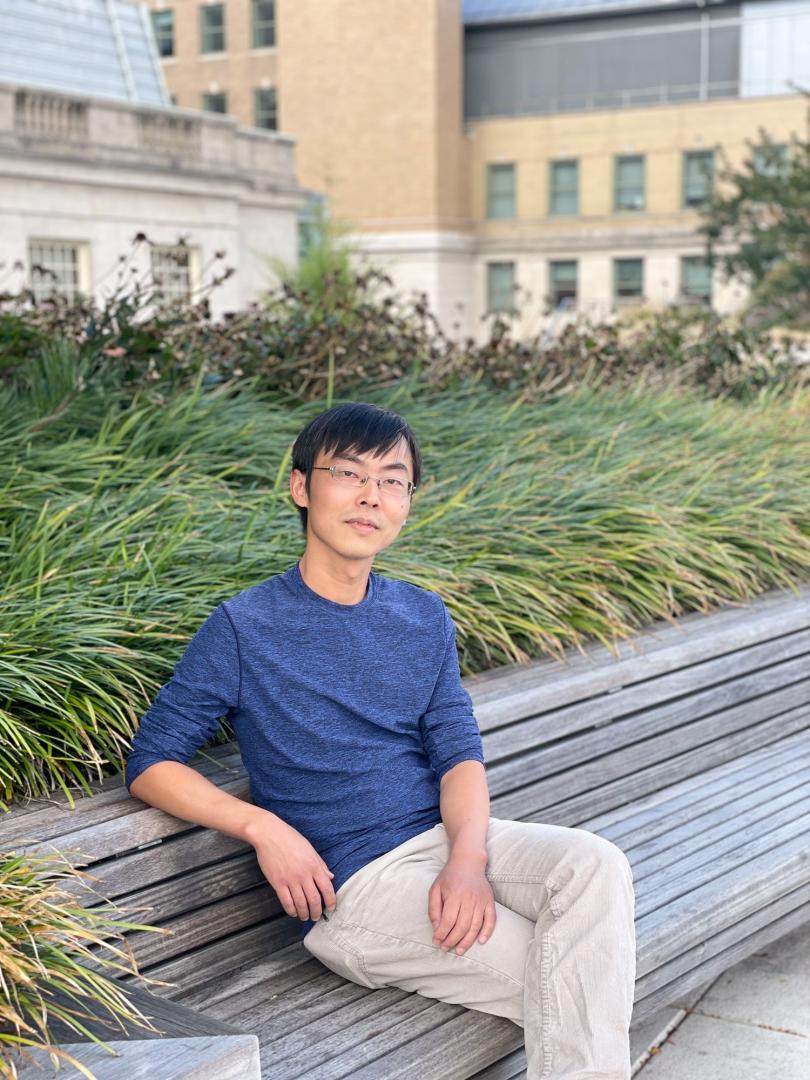
Photo of man with black hair and glasses wearing a blue long sleeved shirt and khaki pants sitting outside on a bench surrounded by greenery.Dr. Shixin Liu 
Associate Professor 
Head, Laboratory of Nanoscale Biophysics and Biochemistry, The Rockefeller University

Biography: Shixin Liu obtained his B.Sc. in biology from the University of Science and Technology of China and his Ph.D. in chemistry from Harvard University. After postdoctoral work at the University of California at Berkeley, he became a faculty member at the Rockefeller University, where he is now associate professor and heads the Laboratory of Nanoscale Biophysics and Biochemistry. His group studies the dynamic behaviors and interactions of biomolecules, chiefly using single-molecule techniques with a focus on DNA- and chromatin-based molecular machines. He was a recipient of the NIH Director’s New Innovator Award and the Vilcek Prize for Creative Promise in Biomedical Science.

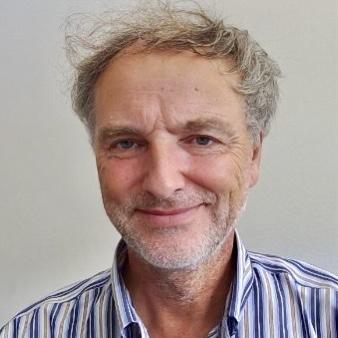
Headshot of a man with short hair wearing a striped collared shirt in front of a beige background.Dr. Jens H. Gundlach

Department of Physics, University of Washington, Seattle, Washington, USA

Biography: Jens Gundlach is a professor of physics at the University of Washington. He earned his diploma from the Johannes Gutenberg University in Mainz, Germany, and his Ph.D. (1990) in nuclear physics from the University of Washington. After his Ph.D., he stayed at UW but changed his research field to experimental gravity and precision measurement. In 2002, he began research in biophysics, resulting in the development of nanopore sequencing of DNA and the development of a novel ultra-precise single-molecule tool. Gundlach continues to lead two separate major research efforts at opposite end of physics: gravity and biophysics. He is a fellow of the American Physical Society, received a NIST Precision Measurement Grant, the APS Pipkin Prize and in 2021 the Breakthrough Prize in Fundamental Physics.

The Department of Chemistry at the University of Kentucky organizes an annual Symposium on Chemistry and Molecular Biology. This symposium was established in honor of Anna S. Naff, a University of Kentucky graduate, through the generous support of Dr. Benton Naff of NIH. The symposium has an interdisciplinary character and is attended by students and faculty from the Departments of Chemistry, Biochemistry, Biology, Pharmacy, Engineering, Agriculture and Medicine. The symposium features renowned experts from around the world, including Nobel prize-winning scientists, and is attended by faculty and students from colleges and universities in Kentucky and the contiguous states.

2026 Naff Planning Committee

Dr. Prakash Shrestha, Chair, Department of Chemistry.

Dr. Christopher Richards, Department of Chemistry.

Dr. Ryan Cheng, Department of Chemistry.

Dr. Jason DeRouchey, Department of Chemistry.

Dr. Daniel Lee, Department of Neuroscience, Sanders-Brown Center on Aging.
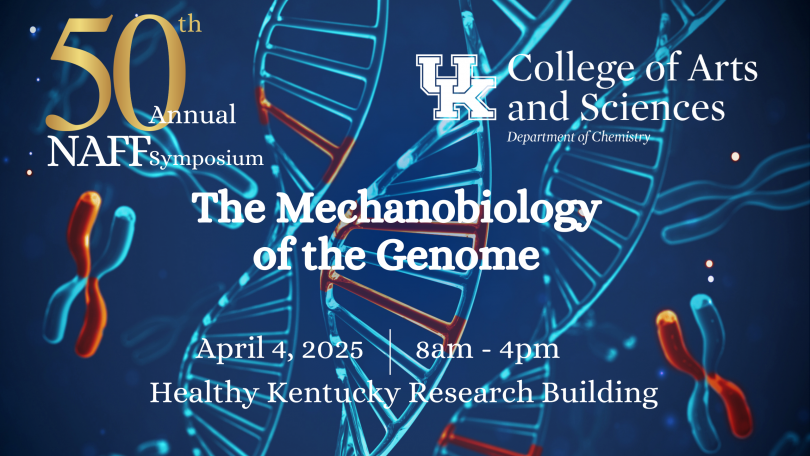
Date:
Location:
Healthy Kentucky Research Building

51st Annual Naff Symposium

Schedule

8 a.m. Registration and Continental breakfast
8:45 a.m.

Introductions and welcome

Dr. Ilhem Messaoudi, Acting Vice President for Research

Dr. Prakash Shrestha, Department of Chemistry

9 a.m.

Dr. Taekjip Ha Boston Children's Hospital, Harvard Medical School

From single molecules to cellular decision making: connecting the scales using mechanical force

Abstract: In this lecture, I will describe our effort to understand how the mechanical responses of single molecules contribute to important cell fate decision, focusing on our work on integrins, mechanosensitive membrane proteins that cells use to interrogate the extracellular environments.

10 a.m. - 10:15 a.m. Break
10:15 a.m.

Dr. Laura Finzi Clemson University

Using single-molecule approaches to dissect fundamental cellular processes

Abstract: Single molecule techniques are extremely powerful in the investigation of the molecular mechanisms driving emergent behavior in living systems.

My lab has pioneered their use and development and combines these approaches to understand, primarily, but not only, transcription regulation. In particular, we study how the physical properties of DNA and chromatin, such as their mechanics and topology, the nucleoprotein complexes that shape the architecture of the genome, the remodeling of DNA by the motor enzymes that process it and phase separation contribute to transmitting information necessary for life.

11:30am - 1:30pm

Lunch and poster competition

Group A - 11:30 a.m. - 12:30 p.m.

Group B - 12:30 p.m. - 1:30 p.m.

1:45 p.m.

Dr. Shixin Liu The Rockefeller University

Single-molecule visualization of genetic and epigenetic inheritance

Abstract: Genome replication and gene expression are carried out by molecular machines that measure in nanometers and generate forces in piconewtons. My laboratory mainly employs single-molecule fluorescence detection and force manipulation techniques to study these biochemical and mechanical processes that govern genetic and epigenetic inheritance. This approach enables us to follow transient, stochastic and heterogeneous molecular events that are inaccessible by ensemble-averaging methods. By reconstituting DNA/chromatin-based macromolecular complexes and tracking their dynamic behavior in real time, we have gained fresh insights into their physicochemical properties and regulatory mechanisms.

2:45 p.m. - 3 p.m. Break
3 p.m.

Dr. Jens H. Gundlach University of Washington

Ultra-precise tracking of genomic enzymes with nanopore tweezers

Abstract: My group has been at the nexus of developing nanopore sequencing of DNA and establishing nanopores as a new tool for single-molecule biophysics. Much of our work is based on the engineered protein pore MspA. Here, I will show the stunning capabilities of using protein nanopores to observe enzyme mechanics in real-time as these enzymes move along DNA or RNA. We easily achieve ten times better position and time resolution than optical tweezers, while simultaneously measuring the exact nucleotide sequence within the enzyme. I will show hereto unseen detail of the motion of helicases, DNA and RNA polymerases, reverse transcriptases, etc. Besides establishing decisive kinetic enzyme models, our method reveals many surprisingly properties of these enzymes. 

4 p.m. Presentation of poster awards
4:30 p.m. Close of the 51st Naff Symposium

Poster Competition

Group A: Even numbered posters will present from 11:30 a.m. - 12:30 p.m.

Group B: Odd numbered posters will present from 12:30 p.m. - 1:30 p.m. 

Speakers

Photo of man with black hair and glasses wearing a black North Face jacket outside. Dr. Taekjip Ha 
Howard Hughes Medical Institute & Program in Cellular and Molecular Medicine, Boston Children's Hospital 
Department of Biological Chemistry and Molecular Pharmacology, Harvard Medical School

Biography: Dr. Taekjip Ha is George D. Yancopoulos Professor of Pediatrics in honor of Frederick W. Alt at Harvard Medical School and director and senior investigator of the Program in Cellular and Molecular Medicine at Boston Children’s Hospital. He has been an investigator with the Howard Hughes Medical Institute since 2005. He received a bachelor’s in physics from Seoul National University in 1990 and a physics Ph.D. from University of California at Berkeley in 1996. After postdoctoral training at Stanford, he was a physics professor at University of Illinois at Urbana-Champaign (2000-2015), where he co-directed an NSF Physics Frontier Center and Bloomberg Distinguished Professor at Johns Hopkins University (2015-2023). He is a member of the National Academy of Science and the National Academy of Medicine and is a fellow of the American Academy of Arts and Sciences. He received the Ho-Am Prize in Science (2011),the  Kazuhito Kinosita Award in single molecule biophysics (2018) and the Barany Award for young investigators (2007). He was named Searle Scholar (2001) and Sloan Fellow (2003). He has served on editorial boards for Science (2011-present), Cell (2009-2020) and eLife (2014-2020). He co-chaired the National Academies committee on Toward Sequencing and Mapping of RNA Modifications (2022-2024). He served as president of the Biophysical Society (2023-2024).

Ha’s current research theme is “genome maintenance at higher resolution.” “Higher resolution” here refers to advances his team pioneered in multiple axes, including time resolution, spatial resolution, single molecule and single cell resolution and single base pair resolution. His biological focus is genome maintenance, i.e. how the genome is accurately duplicated and repaired for preserving genomic integrity. He advanced CRISPR-based tools in terms of time and space resolution as well as multiplexing and obtained novel insights about repair of CRISPR-generated DNA damage. Because genome maintenance occurs in the context of chromatin and 3D genome, and in the presence of ongoing nuclear processes such as transcription and epigenetic regulation, his team has also been studying how DNA sequences and modifications as well as histone modifications can act directly through changes in biophysical properties of DNA and chromatin such as DNA flexibility and nucleosome stability and condensability. Finally, he used biophysical properties of DNA to develop single molecule force sensors and determined the single molecule force loading rate in cells.

Photo of woman with light blonde hair and glasses wearing a light blue tank top in front of a grey background.Dr. Laura Finzi 
Dr. Waenard L. Miller Jr. ’69 and Sheila M. Miller Endowed Chair in Medical Biophysics 
Department of Physics & Astronomy 
Department of Bioengineering 
Center of Human Genetics 
Clemson University

Biography: Laura Finzi is a fellow of the American Physical Society and the Dr. Waenard L. Miller Jr. ’69 and Sheila M. Miller Endowed Chair in Medical Biophysics in the Department of Physics and Astronomy at Clemson University. She is a member of the editorial board of Biophysical Reviews. She received a Laurea in industrial chemistry from the University of Bologna, Italy, and a Ph.D. in chemistry from the University of New Mexico working with Carlos Bustamante. 

She continued her collaboration with Bustamante as a postdoctoral fellow at the Institute of Molecular Biology in Eugene, Oregon, before joining the group of Dr. Jeff Gelles at Brandeis University. She held academic positions at the University of Milano, Italy, and Emory University. Her career path is featured in The Living Histories Series. She is recognized internationally for her contributions to the understanding of DNA mechanics, topology and physical interactions relevant to transcription regulation.

Complete List of Published Work in MyBibliography: http://www.ncbi.nlm.nih.gov/myncbi/browse/collection/40647244/?sort=dat…

Photo of man with black hair and glasses wearing a blue long sleeved shirt and khaki pants sitting outside on a bench surrounded by greenery.Dr. Shixin Liu 
Associate Professor 
Head, Laboratory of Nanoscale Biophysics and Biochemistry, The Rockefeller University

Biography: Shixin Liu obtained his B.Sc. in biology from the University of Science and Technology of China and his Ph.D. in chemistry from Harvard University. After postdoctoral work at the University of California at Berkeley, he became a faculty member at the Rockefeller University, where he is now associate professor and heads the Laboratory of Nanoscale Biophysics and Biochemistry. His group studies the dynamic behaviors and interactions of biomolecules, chiefly using single-molecule techniques with a focus on DNA- and chromatin-based molecular machines. He was a recipient of the NIH Director’s New Innovator Award and the Vilcek Prize for Creative Promise in Biomedical Science.

Headshot of a man with short hair wearing a striped collared shirt in front of a beige background.Dr. Jens H. Gundlach

Department of Physics, University of Washington, Seattle, Washington, USA

Biography: Jens Gundlach is a professor of physics at the University of Washington. He earned his diploma from the Johannes Gutenberg University in Mainz, Germany, and his Ph.D. (1990) in nuclear physics from the University of Washington. After his Ph.D., he stayed at UW but changed his research field to experimental gravity and precision measurement. In 2002, he began research in biophysics, resulting in the development of nanopore sequencing of DNA and the development of a novel ultra-precise single-molecule tool. Gundlach continues to lead two separate major research efforts at opposite end of physics: gravity and biophysics. He is a fellow of the American Physical Society, received a NIST Precision Measurement Grant, the APS Pipkin Prize and in 2021 the Breakthrough Prize in Fundamental Physics.

The Department of Chemistry at the University of Kentucky organizes an annual Symposium on Chemistry and Molecular Biology. This symposium was established in honor of Anna S. Naff, a University of Kentucky graduate, through the generous support of Dr. Benton Naff of NIH. The symposium has an interdisciplinary character and is attended by students and faculty from the Departments of Chemistry, Biochemistry, Biology, Pharmacy, Engineering, Agriculture and Medicine. The symposium features renowned experts from around the world, including Nobel prize-winning scientists, and is attended by faculty and students from colleges and universities in Kentucky and the contiguous states.

2026 Naff Planning Committee

Dr. Prakash Shrestha, Chair, Department of Chemistry.

Dr. Christopher Richards, Department of Chemistry.

Dr. Ryan Cheng, Department of Chemistry.

Dr. Jason DeRouchey, Department of Chemistry.

Dr. Daniel Lee, Department of Neuroscience, Sanders-Brown Center on Aging.
Date:
Location:
Healthy Kentucky Research Building

50th Annual Naff Symposium: The Mechanobiology of the Genome

Brochure

Photo Gallery

8:00am

Registration and Continental Breakfast

Healthy Kentucky Research Building

8:30am

Welcome

Dr. Ana Franco-Watkins, Dean, College of Arts & Sciences

9:00am

Dennis E. Discher, Ph.D. University of Pennsylvania

From curvature sensing and rupture to chromosome loss

10:15am

Andrew Stephens, Ph.D. University of Massachusetts Amherst

Interphase based changes from G1 to G2 in actin and nuclear mechanics dictate nuclear integrity

11:30am

Coffee Break

Healthy Kentucky Research Building Atrium

12:00pm

Lunch and Poster Competition

Healthy Kentucky Research Building Atrium

2:30pm

John Marko, Ph.D. Northwestern University

Self-organization of DNA-protein complexes and chromosomes

3:45pm Presentation of Poster Awards
4:00pm Close of 50th Annual Naff Symposium

Winners of the poster competition

  • First Prize: Hannah Richards, Department of Chemistry, Vanderbilt University
  • Second Prize: Alyson Ackerman, Department of Chemistry, University of Kentucky
  • Honorable Mention: Josiel Barrios Cossio, Department of Chemistry, University of Kentucky
  • Honorable Mention: Isabel Aristizabal-Ramirez, Department of Physiology, University of Kentucky

Speakers

Dennis E. Discher, Ph.D. 

Robert D. Bent Professor, and Director, Physical Sciences Oncology Center/Project

University of Pennsylvania, Philadelphia, PA

Biography: The Discher lab has sought to identify and elucidate some soft matter concepts across cell, molecular and tissue biology. They also have, occasionally, used biological approaches to inject some biological insights into soft matter science and engineering. Early discoveries included matrix elasticity effects on stem cell maturation and differentiation (Cell 2006), mechanosensing by a cell’s nucleus (Science 2013), and properties scaling of amphiphilic polymer assemblies for nano-delivery (Science 2002).  Current efforts focus on physics-driven evolution of mutations (Cell 2016) and engineering of macrophages to attack solid tumors (Nat BME 2023). The latter followed molecularly detailed studies of ‘foreign’ versus ‘self’ recognition (Science 2013). Dozens of trainees have secured positions in academia or industry around the world. Discher has been elected to the US National Academy of Medicine, the US National Academy of Engineering, and the American Association for the Advancement of Science, and he serves on Editorial Boards of Science, Molecular Biology of the Cell, and PNAS Nexus among other journals.

Andrew Stephens, Ph.D.

Assistant Professor, Department of Biology

University of Massachusetts Amherst

Biography: Prof. Andrew Stephens was born and raised in Kansas City, Missouri. He received his undergraduate degree from the University of Missouri, Kansas City and studied dynein processivity in single molecule assays. Stephens completed his Ph.D. at the University of North Carolina Chapel Hill in Dr. Kerry Bloom's lab where he studied the pericentromeric chromatin spring's essential role in yeast mitosis. He continued as a Post Doc in Dr. John Marko's lab at the University of Northwestern to adapt micromanipulation force measurements to single nuclei and study the importance of chromatin mechanics in controlling abnormal nuclear morphology which is present in many human diseases. He is now an Assistant Professor at the University of Massachusetts Amherst. The Stephens Lab was started in 2020 and uses a combination of nuclear force measurements and cell biology to determine the mechanical force balance between the nucleus and the cytoskeleton which controls nuclear shape, integrity, and function.  

John F. Marko, Ph.D.

Departments of Physics & Astronomy and Molecular Biosciences

Northwestern University

Biography: John Marko is a professor of Physics & Astronomy and Molecular Biosciences at Northwestern University in Evanston, Illinois. He graduated from the University of Alberta, Edmonton with a B.Sc. in physics in 1984, then received his Ph.D. in physics from Massachusetts Institute of Technology in 1989. Prof. Marko’s research interests include biological physics, statistical mechanics and theoretical soft matter physics applied to problems of self-organization in molecular and cell biology.

The Marko lab uses biophysical methods, with particular emphasis on micromanipulation of single DNA molecules and single chromosomes, to study the internal structure of chromosomes in vivo, and to study chromosome-organizing proteins and DNA topoisomerases in vitro. They also develop mathematical models relevant to these types of experiments. Projects in progress involve combining fluorescence microscopy and force microscopy in experiments on DNA-protein complexes and whole chromosomes, and in-vivo studies of coupling of chromosome dynamics to gene expression.

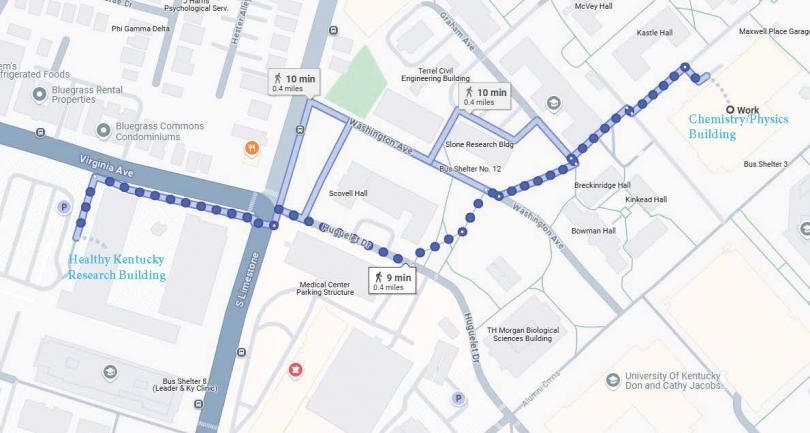
Walking directions from Chem/Phys to Healthy Kentucky Research Building.

2025 Naff Committee:

Dr. Ryan Cheng, Chair, Department of Chemistry

Dr. Chris Richards, Department of Chemistry

Dr. Erin Peters, Department of Chemistry

Dr. Jakub Famulski, Department of Biology

Date:
-
Location:
Healthy Kentucky Research Building

50th Annual Naff Symposium: The Mechanobiology of the Genome

Brochure

Photo Gallery

8:00am

Registration and Continental Breakfast

Healthy Kentucky Research Building

8:30am

Welcome

Dr. Ana Franco-Watkins, Dean, College of Arts & Sciences

9:00am

Dennis E. Discher, Ph.D. University of Pennsylvania

From curvature sensing and rupture to chromosome loss

10:15am

Andrew Stephens, Ph.D. University of Massachusetts Amherst

Interphase based changes from G1 to G2 in actin and nuclear mechanics dictate nuclear integrity

11:30am

Coffee Break

Healthy Kentucky Research Building Atrium

12:00pm

Lunch and Poster Competition

Healthy Kentucky Research Building Atrium

2:30pm

John Marko, Ph.D. Northwestern University

Self-organization of DNA-protein complexes and chromosomes

3:45pm Presentation of Poster Awards
4:00pm Close of 50th Annual Naff Symposium

Winners of the poster competition

  • First Prize: Hannah Richards, Department of Chemistry, Vanderbilt University
  • Second Prize: Alyson Ackerman, Department of Chemistry, University of Kentucky
  • Honorable Mention: Josiel Barrios Cossio, Department of Chemistry, University of Kentucky
  • Honorable Mention: Isabel Aristizabal-Ramirez, Department of Physiology, University of Kentucky

Speakers

Dennis E. Discher, Ph.D. 

Robert D. Bent Professor, and Director, Physical Sciences Oncology Center/Project

University of Pennsylvania, Philadelphia, PA

Biography: The Discher lab has sought to identify and elucidate some soft matter concepts across cell, molecular and tissue biology. They also have, occasionally, used biological approaches to inject some biological insights into soft matter science and engineering. Early discoveries included matrix elasticity effects on stem cell maturation and differentiation (Cell 2006), mechanosensing by a cell’s nucleus (Science 2013), and properties scaling of amphiphilic polymer assemblies for nano-delivery (Science 2002).  Current efforts focus on physics-driven evolution of mutations (Cell 2016) and engineering of macrophages to attack solid tumors (Nat BME 2023). The latter followed molecularly detailed studies of ‘foreign’ versus ‘self’ recognition (Science 2013). Dozens of trainees have secured positions in academia or industry around the world. Discher has been elected to the US National Academy of Medicine, the US National Academy of Engineering, and the American Association for the Advancement of Science, and he serves on Editorial Boards of Science, Molecular Biology of the Cell, and PNAS Nexus among other journals.

Andrew Stephens, Ph.D.

Assistant Professor, Department of Biology

University of Massachusetts Amherst

Biography: Prof. Andrew Stephens was born and raised in Kansas City, Missouri. He received his undergraduate degree from the University of Missouri, Kansas City and studied dynein processivity in single molecule assays. Stephens completed his Ph.D. at the University of North Carolina Chapel Hill in Dr. Kerry Bloom's lab where he studied the pericentromeric chromatin spring's essential role in yeast mitosis. He continued as a Post Doc in Dr. John Marko's lab at the University of Northwestern to adapt micromanipulation force measurements to single nuclei and study the importance of chromatin mechanics in controlling abnormal nuclear morphology which is present in many human diseases. He is now an Assistant Professor at the University of Massachusetts Amherst. The Stephens Lab was started in 2020 and uses a combination of nuclear force measurements and cell biology to determine the mechanical force balance between the nucleus and the cytoskeleton which controls nuclear shape, integrity, and function.  

John F. Marko, Ph.D.

Departments of Physics & Astronomy and Molecular Biosciences

Northwestern University

Biography: John Marko is a professor of Physics & Astronomy and Molecular Biosciences at Northwestern University in Evanston, Illinois. He graduated from the University of Alberta, Edmonton with a B.Sc. in physics in 1984, then received his Ph.D. in physics from Massachusetts Institute of Technology in 1989. Prof. Marko’s research interests include biological physics, statistical mechanics and theoretical soft matter physics applied to problems of self-organization in molecular and cell biology.

The Marko lab uses biophysical methods, with particular emphasis on micromanipulation of single DNA molecules and single chromosomes, to study the internal structure of chromosomes in vivo, and to study chromosome-organizing proteins and DNA topoisomerases in vitro. They also develop mathematical models relevant to these types of experiments. Projects in progress involve combining fluorescence microscopy and force microscopy in experiments on DNA-protein complexes and whole chromosomes, and in-vivo studies of coupling of chromosome dynamics to gene expression.

Walking directions from Chem/Phys to Healthy Kentucky Research Building.

2025 Naff Committee:

Dr. Ryan Cheng, Chair, Department of Chemistry

Dr. Chris Richards, Department of Chemistry

Dr. Erin Peters, Department of Chemistry

Dr. Jakub Famulski, Department of Biology

Date:
-
Location:
Healthy Kentucky Research Building

50th Annual Naff Symposium: The Mechanobiology of the Genome

Brochure

Photo Gallery

8:00am

Registration and Continental Breakfast

Healthy Kentucky Research Building

8:30am

Welcome

Dr. Ana Franco-Watkins, Dean, College of Arts & Sciences

9:00am

Dennis E. Discher, Ph.D. University of Pennsylvania

From curvature sensing and rupture to chromosome loss

10:15am

Andrew Stephens, Ph.D. University of Massachusetts Amherst

Interphase based changes from G1 to G2 in actin and nuclear mechanics dictate nuclear integrity

11:30am

Coffee Break

Healthy Kentucky Research Building Atrium

12:00pm

Lunch and Poster Competition

Healthy Kentucky Research Building Atrium

2:30pm

John Marko, Ph.D. Northwestern University

Self-organization of DNA-protein complexes and chromosomes

3:45pm Presentation of Poster Awards
4:00pm Close of 50th Annual Naff Symposium

Winners of the poster competition

  • First Prize: Hannah Richards, Department of Chemistry, Vanderbilt University
  • Second Prize: Alyson Ackerman, Department of Chemistry, University of Kentucky
  • Honorable Mention: Josiel Barrios Cossio, Department of Chemistry, University of Kentucky
  • Honorable Mention: Isabel Aristizabal-Ramirez, Department of Physiology, University of Kentucky

Speakers

Dennis E. Discher, Ph.D. 

Robert D. Bent Professor, and Director, Physical Sciences Oncology Center/Project

University of Pennsylvania, Philadelphia, PA

Biography: The Discher lab has sought to identify and elucidate some soft matter concepts across cell, molecular and tissue biology. They also have, occasionally, used biological approaches to inject some biological insights into soft matter science and engineering. Early discoveries included matrix elasticity effects on stem cell maturation and differentiation (Cell 2006), mechanosensing by a cell’s nucleus (Science 2013), and properties scaling of amphiphilic polymer assemblies for nano-delivery (Science 2002).  Current efforts focus on physics-driven evolution of mutations (Cell 2016) and engineering of macrophages to attack solid tumors (Nat BME 2023). The latter followed molecularly detailed studies of ‘foreign’ versus ‘self’ recognition (Science 2013). Dozens of trainees have secured positions in academia or industry around the world. Discher has been elected to the US National Academy of Medicine, the US National Academy of Engineering, and the American Association for the Advancement of Science, and he serves on Editorial Boards of Science, Molecular Biology of the Cell, and PNAS Nexus among other journals.

Andrew Stephens, Ph.D.

Assistant Professor, Department of Biology

University of Massachusetts Amherst

Biography: Prof. Andrew Stephens was born and raised in Kansas City, Missouri. He received his undergraduate degree from the University of Missouri, Kansas City and studied dynein processivity in single molecule assays. Stephens completed his Ph.D. at the University of North Carolina Chapel Hill in Dr. Kerry Bloom's lab where he studied the pericentromeric chromatin spring's essential role in yeast mitosis. He continued as a Post Doc in Dr. John Marko's lab at the University of Northwestern to adapt micromanipulation force measurements to single nuclei and study the importance of chromatin mechanics in controlling abnormal nuclear morphology which is present in many human diseases. He is now an Assistant Professor at the University of Massachusetts Amherst. The Stephens Lab was started in 2020 and uses a combination of nuclear force measurements and cell biology to determine the mechanical force balance between the nucleus and the cytoskeleton which controls nuclear shape, integrity, and function.  

John F. Marko, Ph.D.

Departments of Physics & Astronomy and Molecular Biosciences

Northwestern University

Biography: John Marko is a professor of Physics & Astronomy and Molecular Biosciences at Northwestern University in Evanston, Illinois. He graduated from the University of Alberta, Edmonton with a B.Sc. in physics in 1984, then received his Ph.D. in physics from Massachusetts Institute of Technology in 1989. Prof. Marko’s research interests include biological physics, statistical mechanics and theoretical soft matter physics applied to problems of self-organization in molecular and cell biology.

The Marko lab uses biophysical methods, with particular emphasis on micromanipulation of single DNA molecules and single chromosomes, to study the internal structure of chromosomes in vivo, and to study chromosome-organizing proteins and DNA topoisomerases in vitro. They also develop mathematical models relevant to these types of experiments. Projects in progress involve combining fluorescence microscopy and force microscopy in experiments on DNA-protein complexes and whole chromosomes, and in-vivo studies of coupling of chromosome dynamics to gene expression.

Walking directions from Chem/Phys to Healthy Kentucky Research Building.

2025 Naff Committee:

Dr. Ryan Cheng, Chair, Department of Chemistry

Dr. Chris Richards, Department of Chemistry

Dr. Erin Peters, Department of Chemistry

Dr. Jakub Famulski, Department of Biology

Date:
-
Location:
Healthy Kentucky Research Building

49th Annual Naff Symposium - Energetic Foundations and Futures of Life


Energetic Foundations and Futures of Life

Schedule of Events - March 28, 2024

To view this year's program, click here.

8:00am Registration and Continental Breakfast
W.T. Young Library Alumni Gallery
8:30am

Welcome -

Dr. Lisa Cassis, Vice President for Research, University of Kentucky

Dr. Anne-Frances Miller, Organizer, 49th Annual Naff Symposium, University of Kentucky

9:00am Dr. Wolfgang Nitschke, CNRS, Marseille, France
"How and Why Life Emerged: Insights from Microbial Bioenergetics or Erwin Schrödinger meets Peter Mitchell"
10:15am Dr. Gary W. Brudvig, Yale University
"Learning from Nature How to Make Solar Fuels"
11:30am Lunch and Poster Competition - Abstract booklet
Jacobs Science Building, Atrium
2:30pm Dr. Shelley Minteer, Missouri University of Science and Technology
"Enzymatic Bioelectrocatalysis for Electrosynthesis"
3:30pm Presentation of Poster Awards
W.T. Young Library Auditorium
4:00pm Close of the 49th Naff Symposium
W.T. Young Library Auditorium


Speakers

Dr. Gary W. Brudvig

Department of Chemistry and Energy Sciences Institute, Yale University

Honors: Searle Scholar, 1983-86, Camille and Henry Dreyfus Teacher-Scholar, 1985-90, Alfred P. Sloan Research Fellow, 1986-88, Elected Fellow of the AAAS, 1995, Outstanding Achievement Award, University of Minnesota, 2016, Elected Member, Connecticut Academy of Science and Engineering, 2019, Graduate Mentor Award in the Natural Sciences, 2021

Biography: Gary Brudvig is the Benjamin Silliman Professor of Chemistry, Professor of Molecular Biophysics & Biochemistry, and Director of the Yale Energy Sciences Institute at Yale University.  He received his B.S. (1976) from the University of Minnesota, his Ph.D. (1981) from Caltech and was a Miller Postdoctoral Fellow at the University of California, Berkeley from 1980 to 1982.  Professor Brudvig has been on the faculty at Yale since 1982. Brudvig served as Chair of the Chemistry Department from 2003-2009 and 2015-2018.  Since 2012, Brudvig has been the Director of the Energy Sciences Institute located at Yale’s West Campus where he oversees the development of new research programs and facilities related to renewable energy, alternative fuels, and materials science.  His research involves study of the chemistry of solar energy conversion in photosynthesis and work to develop artificial bioinspired systems for solar fuel production.

Wolfgang Nitschke

Dr. Wolfgang Nitschke

Research Director, Bioenergetics and protein engineering laboratory (BIP)/CNRS

Prof. Nitschke has been studying bioenergetics all his academic life, beginning with a Ph. D. on photosynthetic electron transfer in plants at the University of Regensburg in Germany and, after drifting towards prokaryotic photosynthesis during 5 years as post-doctoral fellow in Paris, serving as a professor in Freiburg Germany. Upon moving to Marseille, France, he addressed electron transport and the implied energetics in an expanding repertoire of biochemical processes and bacterial species. He led the “Evolution of Bioenergetics" research group from 1995 until his retirement in 2023 and was vice-director of the department “Bioenergetics and Protein Engineering” from 2002 to 2006. Through a career dedicated to biological energy conversion, he was convinced of the fundamental importance of energy to life (and beyond). His professional bio reports that since his retirement he is 'able to finally do research without the crazy administrative workload'.

Dr. Shelley Minteer

Dale and Susan Poulter Endowed Chair of Biological Chemistry and Associate Chair of Chemistry 

Director, Kummer Institute Center for Resource Sustainability at Missouri University of Science and Technology

Honors & Awards: 2020 Bioelectrochemistry Prize of the International Society of Electrochemistry, 2020 University of Utah Distinguished Research Award, 2020 Charles N. Reilley Award of the Society of Electroanalytical Chemistry, 2019 Fellow of the International Society of Electrochemistry, 2019 Grahame Award of the Electrochemical Society, 2018 Fellow of the American Association for the Advancement of Science, 2018 American Chemical Society Analytical Division Electrochemistry Award, 2015 Luigi Galvani Prize of the Bioelectrochemical Society, 2013 Fellow of The Electrochemical Society, 2010 Tajima Prize of the International Society of Electrochemistry, 2008 American Chemical Society St. Louis Award, 2008 Scientific American Top 50 Award, 2008 Society of Electroanalytical Chemists Young Investigator Award, 2006 U.S. Department of Defense Okaloosa Award, 2006 Missouri Inventor of the Year Award, 2005 Academy of Science of St. Louis Innovation Award

2024 Naff Symposium Committee

Prof. Anne-Frances Miller - (Chemistry) [Chair]

Prof. Marcelo Guzman - (Chemistry)

Prof. Kenneth Graham - (Chemistry)

Prof. Isabel Escobar - (Chemical & Materials Engineering)

Date:
-
Location:
W.T. Young Library Auditorium

49th Annual Naff Symposium - Energetic Foundations and Futures of Life


Energetic Foundations and Futures of Life

Schedule of Events - March 28, 2024

To view this year's program, click here.

8:00am Registration and Continental Breakfast
W.T. Young Library Alumni Gallery
8:30am

Welcome -

Dr. Lisa Cassis, Vice President for Research, University of Kentucky

Dr. Anne-Frances Miller, Organizer, 49th Annual Naff Symposium, University of Kentucky

9:00am Dr. Wolfgang Nitschke, CNRS, Marseille, France
"How and Why Life Emerged: Insights from Microbial Bioenergetics or Erwin Schrödinger meets Peter Mitchell"
10:15am Dr. Gary W. Brudvig, Yale University
"Learning from Nature How to Make Solar Fuels"
11:30am Lunch and Poster Competition - Abstract booklet
Jacobs Science Building, Atrium
2:30pm Dr. Shelley Minteer, Missouri University of Science and Technology
"Enzymatic Bioelectrocatalysis for Electrosynthesis"
3:30pm Presentation of Poster Awards
W.T. Young Library Auditorium
4:00pm Close of the 49th Naff Symposium
W.T. Young Library Auditorium


Speakers

Dr. Gary W. Brudvig

Department of Chemistry and Energy Sciences Institute, Yale University

Honors: Searle Scholar, 1983-86, Camille and Henry Dreyfus Teacher-Scholar, 1985-90, Alfred P. Sloan Research Fellow, 1986-88, Elected Fellow of the AAAS, 1995, Outstanding Achievement Award, University of Minnesota, 2016, Elected Member, Connecticut Academy of Science and Engineering, 2019, Graduate Mentor Award in the Natural Sciences, 2021

Biography: Gary Brudvig is the Benjamin Silliman Professor of Chemistry, Professor of Molecular Biophysics & Biochemistry, and Director of the Yale Energy Sciences Institute at Yale University.  He received his B.S. (1976) from the University of Minnesota, his Ph.D. (1981) from Caltech and was a Miller Postdoctoral Fellow at the University of California, Berkeley from 1980 to 1982.  Professor Brudvig has been on the faculty at Yale since 1982. Brudvig served as Chair of the Chemistry Department from 2003-2009 and 2015-2018.  Since 2012, Brudvig has been the Director of the Energy Sciences Institute located at Yale’s West Campus where he oversees the development of new research programs and facilities related to renewable energy, alternative fuels, and materials science.  His research involves study of the chemistry of solar energy conversion in photosynthesis and work to develop artificial bioinspired systems for solar fuel production.

Wolfgang Nitschke

Dr. Wolfgang Nitschke

Research Director, Bioenergetics and protein engineering laboratory (BIP)/CNRS

Prof. Nitschke has been studying bioenergetics all his academic life, beginning with a Ph. D. on photosynthetic electron transfer in plants at the University of Regensburg in Germany and, after drifting towards prokaryotic photosynthesis during 5 years as post-doctoral fellow in Paris, serving as a professor in Freiburg Germany. Upon moving to Marseille, France, he addressed electron transport and the implied energetics in an expanding repertoire of biochemical processes and bacterial species. He led the “Evolution of Bioenergetics" research group from 1995 until his retirement in 2023 and was vice-director of the department “Bioenergetics and Protein Engineering” from 2002 to 2006. Through a career dedicated to biological energy conversion, he was convinced of the fundamental importance of energy to life (and beyond). His professional bio reports that since his retirement he is 'able to finally do research without the crazy administrative workload'.

Dr. Shelley Minteer

Dale and Susan Poulter Endowed Chair of Biological Chemistry and Associate Chair of Chemistry 

Director, Kummer Institute Center for Resource Sustainability at Missouri University of Science and Technology

Honors & Awards: 2020 Bioelectrochemistry Prize of the International Society of Electrochemistry, 2020 University of Utah Distinguished Research Award, 2020 Charles N. Reilley Award of the Society of Electroanalytical Chemistry, 2019 Fellow of the International Society of Electrochemistry, 2019 Grahame Award of the Electrochemical Society, 2018 Fellow of the American Association for the Advancement of Science, 2018 American Chemical Society Analytical Division Electrochemistry Award, 2015 Luigi Galvani Prize of the Bioelectrochemical Society, 2013 Fellow of The Electrochemical Society, 2010 Tajima Prize of the International Society of Electrochemistry, 2008 American Chemical Society St. Louis Award, 2008 Scientific American Top 50 Award, 2008 Society of Electroanalytical Chemists Young Investigator Award, 2006 U.S. Department of Defense Okaloosa Award, 2006 Missouri Inventor of the Year Award, 2005 Academy of Science of St. Louis Innovation Award

2024 Naff Symposium Committee

Prof. Anne-Frances Miller - (Chemistry) [Chair]

Prof. Marcelo Guzman - (Chemistry)

Prof. Kenneth Graham - (Chemistry)

Prof. Isabel Escobar - (Chemical & Materials Engineering)

Date:
-
Location:
W.T. Young Library Auditorium

49th Annual Naff Symposium - Energetic Foundations and Futures of Life


Energetic Foundations and Futures of Life

Schedule of Events - March 28, 2024

To view this year's program, click here.

8:00am Registration and Continental Breakfast
W.T. Young Library Alumni Gallery
8:30am

Welcome -

Dr. Lisa Cassis, Vice President for Research, University of Kentucky

Dr. Anne-Frances Miller, Organizer, 49th Annual Naff Symposium, University of Kentucky

9:00am Dr. Wolfgang Nitschke, CNRS, Marseille, France
"How and Why Life Emerged: Insights from Microbial Bioenergetics or Erwin Schrödinger meets Peter Mitchell"
10:15am Dr. Gary W. Brudvig, Yale University
"Learning from Nature How to Make Solar Fuels"
11:30am Lunch and Poster Competition - Abstract booklet
Jacobs Science Building, Atrium
2:30pm Dr. Shelley Minteer, Missouri University of Science and Technology
"Enzymatic Bioelectrocatalysis for Electrosynthesis"
3:30pm Presentation of Poster Awards
W.T. Young Library Auditorium
4:00pm Close of the 49th Naff Symposium
W.T. Young Library Auditorium


Speakers

Dr. Gary W. Brudvig

Department of Chemistry and Energy Sciences Institute, Yale University

Honors: Searle Scholar, 1983-86, Camille and Henry Dreyfus Teacher-Scholar, 1985-90, Alfred P. Sloan Research Fellow, 1986-88, Elected Fellow of the AAAS, 1995, Outstanding Achievement Award, University of Minnesota, 2016, Elected Member, Connecticut Academy of Science and Engineering, 2019, Graduate Mentor Award in the Natural Sciences, 2021

Biography: Gary Brudvig is the Benjamin Silliman Professor of Chemistry, Professor of Molecular Biophysics & Biochemistry, and Director of the Yale Energy Sciences Institute at Yale University.  He received his B.S. (1976) from the University of Minnesota, his Ph.D. (1981) from Caltech and was a Miller Postdoctoral Fellow at the University of California, Berkeley from 1980 to 1982.  Professor Brudvig has been on the faculty at Yale since 1982. Brudvig served as Chair of the Chemistry Department from 2003-2009 and 2015-2018.  Since 2012, Brudvig has been the Director of the Energy Sciences Institute located at Yale’s West Campus where he oversees the development of new research programs and facilities related to renewable energy, alternative fuels, and materials science.  His research involves study of the chemistry of solar energy conversion in photosynthesis and work to develop artificial bioinspired systems for solar fuel production.

Wolfgang Nitschke

Dr. Wolfgang Nitschke

Research Director, Bioenergetics and protein engineering laboratory (BIP)/CNRS

Prof. Nitschke has been studying bioenergetics all his academic life, beginning with a Ph. D. on photosynthetic electron transfer in plants at the University of Regensburg in Germany and, after drifting towards prokaryotic photosynthesis during 5 years as post-doctoral fellow in Paris, serving as a professor in Freiburg Germany. Upon moving to Marseille, France, he addressed electron transport and the implied energetics in an expanding repertoire of biochemical processes and bacterial species. He led the “Evolution of Bioenergetics" research group from 1995 until his retirement in 2023 and was vice-director of the department “Bioenergetics and Protein Engineering” from 2002 to 2006. Through a career dedicated to biological energy conversion, he was convinced of the fundamental importance of energy to life (and beyond). His professional bio reports that since his retirement he is 'able to finally do research without the crazy administrative workload'.

Dr. Shelley Minteer

Dale and Susan Poulter Endowed Chair of Biological Chemistry and Associate Chair of Chemistry 

Director, Kummer Institute Center for Resource Sustainability at Missouri University of Science and Technology

Honors & Awards: 2020 Bioelectrochemistry Prize of the International Society of Electrochemistry, 2020 University of Utah Distinguished Research Award, 2020 Charles N. Reilley Award of the Society of Electroanalytical Chemistry, 2019 Fellow of the International Society of Electrochemistry, 2019 Grahame Award of the Electrochemical Society, 2018 Fellow of the American Association for the Advancement of Science, 2018 American Chemical Society Analytical Division Electrochemistry Award, 2015 Luigi Galvani Prize of the Bioelectrochemical Society, 2013 Fellow of The Electrochemical Society, 2010 Tajima Prize of the International Society of Electrochemistry, 2008 American Chemical Society St. Louis Award, 2008 Scientific American Top 50 Award, 2008 Society of Electroanalytical Chemists Young Investigator Award, 2006 U.S. Department of Defense Okaloosa Award, 2006 Missouri Inventor of the Year Award, 2005 Academy of Science of St. Louis Innovation Award

2024 Naff Symposium Committee

Prof. Anne-Frances Miller - (Chemistry) [Chair]

Prof. Marcelo Guzman - (Chemistry)

Prof. Kenneth Graham - (Chemistry)

Prof. Isabel Escobar - (Chemical & Materials Engineering)

Date:
-
Location:
W.T. Young Library Auditorium

47th Annual Naff Symposium

Innovation in Molecular Neuroscience

Schedule of Events - April 1, 2022

8:00am

Registration and Continental Breakfast
WT Young Library Gallery

8:50am

Welcome - TBD

9:00am

Dr. Erin Calipari
"A novel mechanism for hormonal regulation of reward circuits in the brain contributes to addiction vulnerability in females"

10:00am

Break
WT Young Library Gallery

10:30am

Dr. Tim Harris
"High capacity electrophysiology: How we got here and where we can go"

11:30am

Lunch & Break

1:00pm

Dr. Elizabeth Hillman
"Understanding the brain with high-speed 3D imaging of cell structure, function and identity"

2:00pm

Break & Poster Session Set-Up
WT Young Library Gallery; Jacobs Science Building, Atrium

2:30pm

Dr. Baljit Khakh
"Cells that tile your brain: Astrocyte roles in neural circuits"

3:30 - 5:00pm

Poster Session
Jacobs Science Building, Atrium


Speakers

Dr. Erin Calipari

Vanderbilt University

Dr. Calipari received her PhD in Neuroscience in 2013 in the laboratory of Dr. Sara Jones at Wake Forest University School of Medicine where she studied how self-administered drugs altered dopaminergic function to drive addictive behaviors. She then went on to complete her postdoctoral training with Dr. Eric Nestler at Icahn School of Medicine at Mount Sinai, where she used circuit probing techniques to understand the temporally specific neural signals that underlie motivation and reward learning. She is currently an Assistant Professor at Vanderbilt University in the Department of Pharmacology. Her independent work seeks to characterize and modulate the precise circuits in the brain that underlie both adaptive and maladaptive processes in reward, motivation, and associative learning.

Group Page

Dr. Tim Harris

Johns Hopkins University

Timothy Harris is a research professor in the Department of Biomedical Engineering. He leads the Applied Physics and Instrumentation Group at the HHMI Janelia Research Campus, and is the originator of the project that produced the Neuropixels Si probe for extracellular recording in animals, mostly mice, and rats. He shares his time between Janelia and Johns Hopkins and is working on projects to enable recording 10-20,000 neurons in rodents and 30-50,000 neurons in non-human primates, as well as stimulate with high resolution.

He received a BS in Chemistry at California Polytechnical State University, San Luis Obispo, and a PhD in Analytical Chemistry at Purdue University.

Group Page

Dr. Elizabeth Hillman

Columbia University

Elizabeth Hillman is professor of biomedical engineering and radiology at Columbia University and a member of the Mortimer B. Zuckerman Mind Brain Behavior Institute and Kavli Institute for Brain Science at Columbia. Hillman received her undergraduate degree in physics and Ph.D. in medical physics and bioengineering at University College London and completed post-doctoral training at Massachusetts General Hospital/Harvard Medical School. In 2006, Hillman moved to Columbia University, founding the Laboratory for Functional Optical Imaging. Hillman’s research program focuses on the development and application of optical imaging and microscopy technologies to capture functional dynamics in the living brain. Most recently, she developed swept confocally aligned planar excitation (SCAPE) microscopy, a technique capable of very high speed volumetric imaging of neural activity in behaving organisms such as adult and larval Drosophila, zebrafish, C. elegans and the rodent brain. Hillman’s research program also includes exploring the interrelation between neural activity and blood flow in the brain, as the basis for signals detected by functional magnetic resonance imaging (fMRI). Hillman is a fellow of the Optical Society of America (OSA), the society of photo-optical instrumentation (SPIE) and the American Institute for Medical and Biological Engineering (AIMBE). She has received the OSA Adolf Lomb Medal for contributions to optics, as well as early career awards from the Wallace Coulter Foundation, National Science Foundation and Human Frontier Science Program.

Group Page

Dr. Baljit Khakh

University of California, Los Angeles

Baljit Khakh completed his Ph.D. at the University of Cambridge in the laboratory of Patrick PA Humphrey. He completed postdoctoral fellowships in the laboratory of Graeme Henderson at the University of Bristol, and then in the laboratory of Henry A. Lester and Norman Davidson at California Institute of Technology. In 2001, Khakh became Group Leader at the MRC Laboratory of Molecular Biology in Cambridge, and in 2006 he moved to the University of California, Los Angeles where he is Professor of Physiology and Neurobiology. Khakh’s work has been recognized, including with the NIH Director's Pioneer Award, the Paul G. Allen Distinguished Investigator Award, and the Outstanding Investigator Award (R35) from NINDS.

Group Page


2022 Naff Symposium Committee

Dr. Chris Richards - Chair

Jason DeRouchey (Chemistry)
Lance Johnson (Physiology)
Brandon Henderson (Marshall University)


Date:
-
Location:
WT Young Library Auditorium
Tags/Keywords:

47th Annual Naff Symposium

Innovation in Molecular Neuroscience

Schedule of Events - April 1, 2022

8:00am

Registration and Continental Breakfast
WT Young Library Gallery

8:50am

Welcome - TBD

9:00am

Dr. Erin Calipari
"A novel mechanism for hormonal regulation of reward circuits in the brain contributes to addiction vulnerability in females"

10:00am

Break
WT Young Library Gallery

10:30am

Dr. Tim Harris
"High capacity electrophysiology: How we got here and where we can go"

11:30am

Lunch & Break

1:00pm

Dr. Elizabeth Hillman
"Understanding the brain with high-speed 3D imaging of cell structure, function and identity"

2:00pm

Break & Poster Session Set-Up
WT Young Library Gallery; Jacobs Science Building, Atrium

2:30pm

Dr. Baljit Khakh
"Cells that tile your brain: Astrocyte roles in neural circuits"

3:30 - 5:00pm

Poster Session
Jacobs Science Building, Atrium


Speakers

Dr. Erin Calipari

Vanderbilt University

Dr. Calipari received her PhD in Neuroscience in 2013 in the laboratory of Dr. Sara Jones at Wake Forest University School of Medicine where she studied how self-administered drugs altered dopaminergic function to drive addictive behaviors. She then went on to complete her postdoctoral training with Dr. Eric Nestler at Icahn School of Medicine at Mount Sinai, where she used circuit probing techniques to understand the temporally specific neural signals that underlie motivation and reward learning. She is currently an Assistant Professor at Vanderbilt University in the Department of Pharmacology. Her independent work seeks to characterize and modulate the precise circuits in the brain that underlie both adaptive and maladaptive processes in reward, motivation, and associative learning.

Group Page

Dr. Tim Harris

Johns Hopkins University

Timothy Harris is a research professor in the Department of Biomedical Engineering. He leads the Applied Physics and Instrumentation Group at the HHMI Janelia Research Campus, and is the originator of the project that produced the Neuropixels Si probe for extracellular recording in animals, mostly mice, and rats. He shares his time between Janelia and Johns Hopkins and is working on projects to enable recording 10-20,000 neurons in rodents and 30-50,000 neurons in non-human primates, as well as stimulate with high resolution.

He received a BS in Chemistry at California Polytechnical State University, San Luis Obispo, and a PhD in Analytical Chemistry at Purdue University.

Group Page

Dr. Elizabeth Hillman

Columbia University

Elizabeth Hillman is professor of biomedical engineering and radiology at Columbia University and a member of the Mortimer B. Zuckerman Mind Brain Behavior Institute and Kavli Institute for Brain Science at Columbia. Hillman received her undergraduate degree in physics and Ph.D. in medical physics and bioengineering at University College London and completed post-doctoral training at Massachusetts General Hospital/Harvard Medical School. In 2006, Hillman moved to Columbia University, founding the Laboratory for Functional Optical Imaging. Hillman’s research program focuses on the development and application of optical imaging and microscopy technologies to capture functional dynamics in the living brain. Most recently, she developed swept confocally aligned planar excitation (SCAPE) microscopy, a technique capable of very high speed volumetric imaging of neural activity in behaving organisms such as adult and larval Drosophila, zebrafish, C. elegans and the rodent brain. Hillman’s research program also includes exploring the interrelation between neural activity and blood flow in the brain, as the basis for signals detected by functional magnetic resonance imaging (fMRI). Hillman is a fellow of the Optical Society of America (OSA), the society of photo-optical instrumentation (SPIE) and the American Institute for Medical and Biological Engineering (AIMBE). She has received the OSA Adolf Lomb Medal for contributions to optics, as well as early career awards from the Wallace Coulter Foundation, National Science Foundation and Human Frontier Science Program.

Group Page

Dr. Baljit Khakh

University of California, Los Angeles

Baljit Khakh completed his Ph.D. at the University of Cambridge in the laboratory of Patrick PA Humphrey. He completed postdoctoral fellowships in the laboratory of Graeme Henderson at the University of Bristol, and then in the laboratory of Henry A. Lester and Norman Davidson at California Institute of Technology. In 2001, Khakh became Group Leader at the MRC Laboratory of Molecular Biology in Cambridge, and in 2006 he moved to the University of California, Los Angeles where he is Professor of Physiology and Neurobiology. Khakh’s work has been recognized, including with the NIH Director's Pioneer Award, the Paul G. Allen Distinguished Investigator Award, and the Outstanding Investigator Award (R35) from NINDS.

Group Page


2022 Naff Symposium Committee

Dr. Chris Richards - Chair

Jason DeRouchey (Chemistry)
Lance Johnson (Physiology)
Brandon Henderson (Marshall University)


Date:
-
Location:
WT Young Library Auditorium
Tags/Keywords: